|
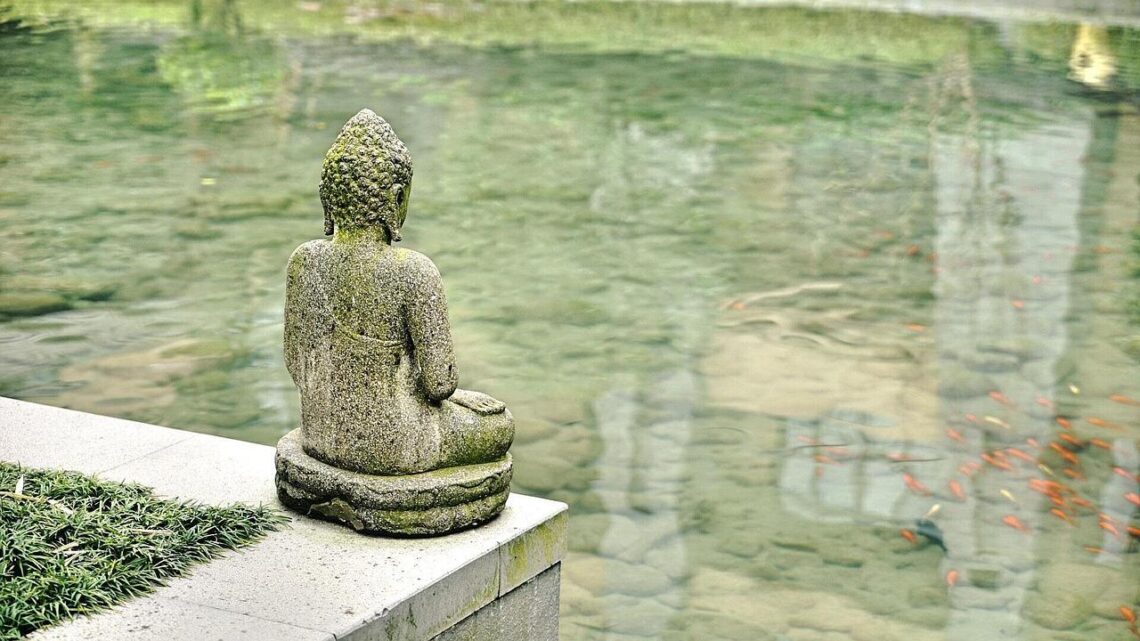
Landscape architecture has evolved far beyond creating visually attractive outdoor spaces. Today, homeowners increasingly view their gardens as extensions of their living environments—places to relax, disconnect from digital distractions, and improve mental wellbeing. This shift has led to growing demand for gardens that combine biodiversity, sustainable planting, and carefully selected decorative elements that create a calming atmosphere. For professional landscapers, this trend presents an opportunity to design gardens that engage all the senses while remaining practical, climate-resilient, and low-maintenance. The Return of the Contemplative GardenOne notable design movement is the return of the contemplative garden. Inspired by Asian garden traditions, these spaces prioritize balance, simplicity, and natural harmony rather than decorative excess. Water features, textured planting schemes, natural stone, and carefully positioned focal points all contribute to an atmosphere of peace. Unlike traditional ornamental gardens, contemplative landscapes encourage visitors to slow down. They often include winding paths, secluded seating areas, ornamental grasses, and evergreen structures that maintain visual interest throughout the year. Research into green environments continues to demonstrate the positive relationship between access to nature and reduced stress, making these quiet outdoor spaces increasingly relevant for residential and commercial projects alike. Choosing Meaningful Garden FeaturesHard landscaping and planting usually form the backbone of a successful garden, but decorative features increasingly determine its character. Rather than selecting ornaments purely for appearance, designers are paying greater attention to cultural authenticity, craftsmanship, and material quality. Natural stone, reclaimed timber, handcrafted ceramics, and bronze sculptures provide lasting visual interest while complementing sustainable planting schemes. These materials weather beautifully over time and help create gardens with a timeless appearance instead of following short-lived design trends. An authentic buddha statue can serve as one such focal point within a contemplative garden. Positioned thoughtfully, it can contribute to a balanced composition while reflecting centuries of artistic craftsmanship. Authentic antique statues also carry historical significance, making them suitable for projects where cultural appreciation and design quality are equally important. Sustainability Goes Beyond Plant SelectionSustainable landscaping is no longer limited to choosing native plants or installing rainwater harvesting systems. Clients increasingly appreciate durable materials that remain attractive for decades and require minimal replacement. This broader view of sustainability encourages landscape professionals to specify high-quality natural materials, long-lasting paving, mature trees, and decorative pieces with enduring value. Rather than replacing mass-produced ornaments every few years, investing in handcrafted objects reduces waste while adding individuality to the finished design. This philosophy aligns well with the wider movement toward gardens that are designed for longevity rather than seasonal trends. Designing for Emotional ValueOne of the most significant developments in landscape design is the recognition that gardens influence how people feel as much as how they look. Clients increasingly request spaces where they can read, meditate, entertain quietly, or simply enjoy nature. Professional landscapers are responding by designing layered planting schemes, improving acoustic comfort through vegetation, incorporating natural materials, and creating intimate seating areas surrounded by greenery. Decorative focal points become part of a larger narrative that encourages reflection instead of distraction. This emotional dimension often distinguishes memorable gardens from purely functional outdoor spaces. Looking AheadAs urban living becomes denser and lifestyles become increasingly fast-paced, demand for restorative gardens is expected to continue growing. Climate-adaptive planting, biodiversity, sustainable construction, and meaningful design elements are likely to remain central themes in professional landscaping. For landscape designers and gardeners, the challenge is no longer simply creating beautiful gardens. It is designing outdoor environments that offer comfort, resilience, and a genuine sense of wellbeing. Thoughtfully selected natural materials, authentic craftsmanship, and balanced compositions will continue to play an important role in achieving that goal. |